


Page 254 - Gear Technology Solutions
P. 254
In  Figure  2  the  typical  polynomials  used  for  the  higher  order  basic  setting
                   changes are documented. These interactive setting changes are utilized with
                   rather  sophisticated  mathematics  to  achieve almost  any flank form  modifica-
                   tions  without noticeable side  effects. However,  these  roll-position  driven  cor-
                   rections are only possible on the generated members.


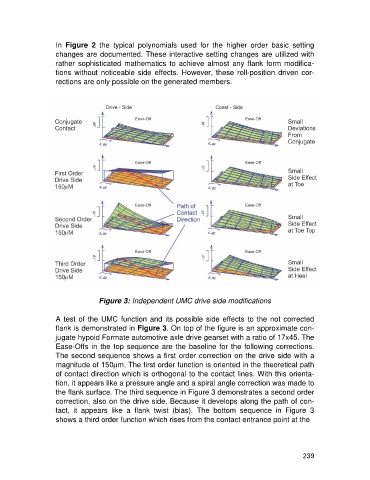
                                  Figure 3: Independent UMC drive side modifications

                   A test of the UMC function and its possible side effects to the not corrected
                   flank is demonstrated in Figure 3. On top of the figure is an approximate con-
                   jugate hypoid Formate automotive axle drive gearset with a ratio of 17x45. The
                   Ease-Offs in the top sequence are the baseline for the following corrections.
                   The second sequence shows a first order correction on the drive side with a
                   magnitude of 150mm. The first order function is oriented in the theoretical path
                   of contact direction which is orthogonal to the contact lines. With this orienta-
                   tion, it appears like a pressure angle and a spiral angle correction was made to
                   the flank surface. The third sequence in Figure 3 demonstrates a second order
                   correction, also on the drive side. Because it develops along the path of con-
                   tact,  it  appears  like  a  flank  twist  (bias).  The  bottom  sequence  in  Figure  3
                   shows a third order function which rises from the contact entrance point at the


                                                                                                     239

